
Benefits of Comfortable Pet Apparel for Dogs
Table of Contents
- Why Comfortable Pet Apparel Matters More Than You Think
- 7 Benefits of Wearing Comfortable Pet Apparel
- How to Measure a Dog for Clothes
- Signs a Dog Is Uncomfortable in Clothes
- Dog Clothing Safety: Risks, Supervision, and Warning Signs
- Choosing Fabrics and Caring for Pet Apparel
- Conclusion: Comfort Comes First
- Frequently Asked Questions
Last Updated: October 7, 2026
Why Comfortable Pet Apparel Matters More Than You Think
Comfortable pet apparel is clothing designed to fit a dog's body without pinching, shifting, or limiting movement, so the garment supports the animal instead of distracting it.
The stakes are higher than most people assume. The American Veterinary Medical Association's pet care resources notes that small, short-haired, and senior dogs struggle to regulate body temperature in cold and wet conditions, which is exactly the gap a well-fitted layer fills.
So the question is not whether dogs should wear clothes. It is whether the clothes you choose help or hinder. Below, we break down seven real benefits, plus how to measure, what to avoid, and when to take the garment off.
7 Benefits of Wearing Comfortable Pet Apparel
Comfortable pet apparel delivers seven practical benefits: warmth, weather protection, sun defense, cleanliness, freedom of movement, visibility, and a sense of security. Each depends on fit and fabric more than style.
| Benefit | Best For | What Makes It Work |
|---|---|---|
| Warmth and insulation | Short-haired, small, senior dogs | Snug layers that trap body heat |
| Rain, wind, snow protection | Damp climates, winter walks | Water-resistant outer shell |
| Sun protection | Light-colored, thin coats | Breathable UV-blocking fabric |
| Dirt, mud, sand, insect defense | Hiking, beach, off-leash trails | Full-coverage, easy-wash material |
| Comfort and movement | Every dog, every garment | Correct measurements, stretch panels |
| Visibility and safety | Urban walks, dusk, low light | Reflective trim, bright colors |
| Calm and security | Anxious, senior, rescue dogs | Gentle pressure, soft lining |
Warmth and Cold-Weather Protection
Cold tolerance varies enormously by breed, coat type, and body size. A husky in January is fine; a Chihuahua in the same weather is not, and neither is a thin-coated senior with arthritis. Insulation works by trapping warm air against the body, so look for a snug but non-binding fit, a soft inner lining, and coverage from the base of the neck to the hips.
Rain, Wind, Snow, and Damp Conditions
Wet fur loses its insulating value fast, and wind strips warmth even faster. A water-resistant outer layer keeps the coat dry, which matters most for dogs with sparse or thin coats and for any dog standing still on a leash. For snow, check the leg openings: snow packs into cuffs and turns into painful ice balls between the toes. Adjustable leg straps or a higher belly cut reduce that problem.
Sun Protection and Preventing Sunburn
Dogs get sunburned, particularly on the nose, ears, belly, and any area where fur is thin or light-colored. Hairless breeds and dogs with white or light-colored fur are most vulnerable. A lightweight, breathable shirt with UV-blocking fabric covers the back and torso on long summer walks, not a substitute for shade and water, but it reduces direct exposure on the areas most likely to burn.
Protection From Dirt, Mud, Sand, and Insects
Some owners use apparel purely for cleanup. A thin vest or full-coverage shirt keeps mud, sand, and burrs off the coat on trail hikes and beach days, meaning less bathing and less matting. Tightly woven material keeps sand and foxtails out better than open mesh, and a smooth exterior sheds mud instead of absorbing it.
Comfort, Fit, and Freedom of Movement
This benefit makes or breaks everything else. A garment that restricts the shoulders changes a dog's gait, and a changed gait is an uncomfortable dog. Watch your dog move in the garment before you commit: the front legs should swing freely, the neckline should not press on the throat, and the garment should not ride up when the dog sits or lies down.
Visibility and Safety During Walks
Reflective trim and bright colors make a dog easier to see on early morning and evening walks, especially on urban streets and near traffic, one of the few benefits that helps the owner as much as the dog. High-visibility apparel is most useful in fall and winter, when daylight is short. Pair it with a reflective leash for the biggest effect.
Calm and Security for Anxious or Senior Pets
Some dogs settle when wearing a snug, soft garment. The gentle, even pressure can have a calming effect similar to a thunder shirt, which many owners find helpful during storms, fireworks, or travel.
Senior dogs benefit differently. A light layer keeps arthritic joints warmer, and a soft, non-irritating fabric is kinder to thin, aging skin than a stiff shell.
How to Measure a Dog for Clothes
Measure your dog with a soft measuring tape while the dog stands relaxed on all fours.
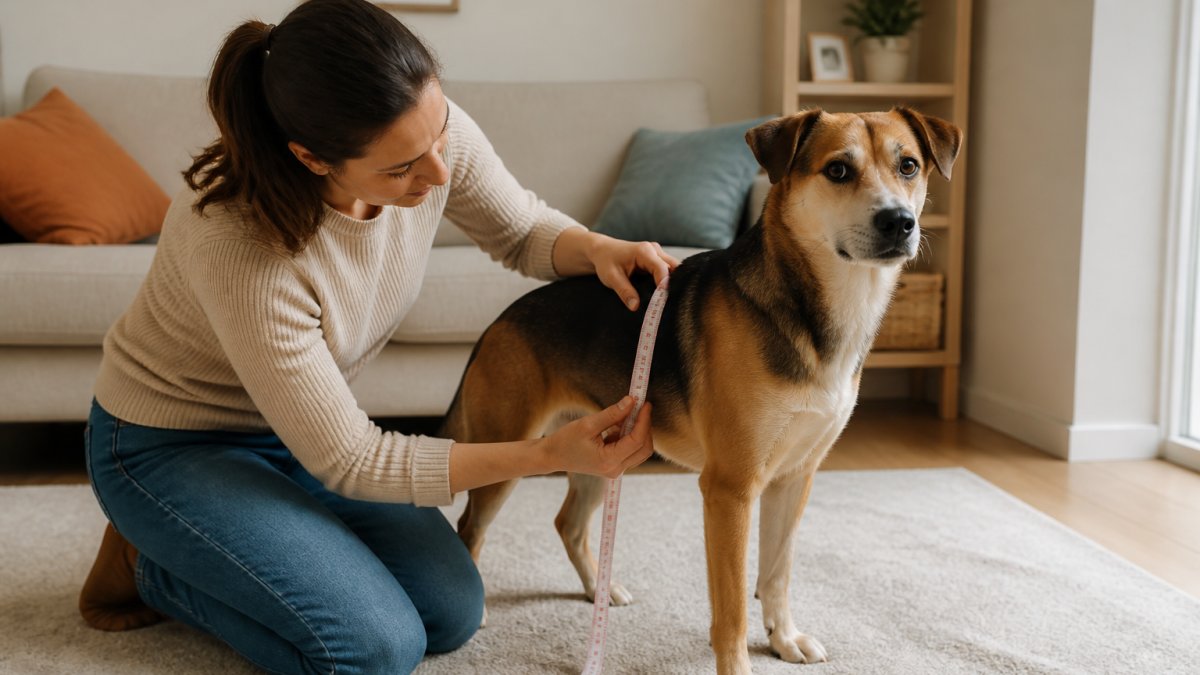
- Measure the chest girth twice, it determines whether the garment fits at all.
- Add roughly two fingers of slack, no more.
- If your dog falls between two sizes, size up on length and down on girth where the brand allows mixed sizing.
MyRadTee publishes a size chart on every product page for exactly this reason. Guessing is how returns happen.
Signs a Dog Is Uncomfortable in Clothes
A dog that is uncomfortable in clothing will usually tell you within the first few minutes. The signals fall into two groups: mild discomfort you can fix with a fit adjustment, and signals that mean take the garment off now.
Mild discomfort, check the fit and try again later:
- Freezing in place or refusing to walk
- Excessive scratching, biting, or licking at the garment
- Tucked tail, flattened ears, or a hunched posture
Remove immediately, these point to a real problem:
- Heavy panting, drooling, or lethargy in mild weather, which can signal overheating
- Limping, or a leg that catches in a strap or cuff
- Whining, yelping, or sudden resistance to being touched
Discomfort is information, not disobedience. A dog that refuses to move in a coat is usually telling you the chest is too tight or the neckline is pressing on the throat. Fix the fit before you decide the dog hates clothes.
The fit and comfort check
Run a short physical check every time you put a garment on:
- Two-finger rule at the chest. If you can fit more than two fingers under the chest strap, the garment is too loose and will slide and expose the belly. If you cannot fit one, it is too tight.
- Shoulder swing. Watch the dog trot. The front legs should move through a full stride without the fabric pulling across the chest.
- Neckline pressure. The opening should sit flat without pressing on the throat. Coughing or pawing at the neck means it is too small.
- Seam and closure sweep. Run a finger along every seam and under every strap. Rough stitching, exposed zipper teeth, and hard buckles are the usual chafe points, especially in the armpits and groin.
- Gait and posture test. Have the dog walk, sit, and lie down. A stiff stride, or fabric that rides up when the dog sits, means the cut is wrong.
- Bathroom access. Confirm the rear is clear for urination and defecation. A belly panel in the wrong place turns every walk into a laundry problem.
When clothing is not appropriate
Comfortable apparel helps some pets and harms others; the difference is often species and condition rather than preference.
- Cats. Most cats do not need clothing and many actively dislike it. A cat that flops, stops grooming, or hides after being dressed is stressed, not stylish. The exceptions are hairless breeds and senior cats with thin coats in cold indoor conditions, and even then a soft, loose layer is usually better tolerated than a fitted garment. Never leave a garment on a cat unsupervised, cats are far more likely than dogs to wriggle into a strap and get caught.
- Dogs with skin conditions or open wounds. A garment can protect a treated area from licking, but it can also trap moisture and rub raw skin. Ask a veterinarian before using apparel for recovery or skin protection.
- Flat-faced breeds. Brachycephalic dogs already struggle to breathe and cool themselves. A garment that covers the chest or belly can make overheating worse, so keep layers minimal and watch for labored breathing.
Supervision and removal rules
Clothing is for walks and supervised time, not all-day wear. Take the garment off before crating, before bedtime, and any time you cannot watch the dog. Check it for chewing damage before every wear, and inspect the skin under the straps after long or repeated use. If you see redness, hair loss, or a raw spot, stop using the garment until the skin heals and reassess the fit.
Introduce the garment in short sessions at home, during a calm moment, with treats. Dogs that meet clothing for the first time during a stressful event tend to associate the garment with the stress.
Dog Clothing Safety: Risks, Supervision, and Warning Signs
Dog clothing safety comes down to supervision, correct fit, and knowing when to remove the garment. Most problems trace back to one of those three.
The real risks are straightforward:
- Overheating. A heavy garment on a warm day traps heat. Dogs cool primarily through panting and their paws, so a coat covering the belly in summer works against them. Watch for heavy panting, drooling, and lethargy, and remove the garment immediately.
- Choking and snagging. Loose straps, dangling toggles, and long ties can catch on fences, crates, or branches. Remove anything decorative before the dog is left alone.
- Skin irritation. Rough seams, tight elastic, and non-breathing synthetic fabrics can rub the armpits and groin raw over repeated wear.
Choosing Fabrics and Caring for Pet Apparel
Fabric choice decides whether a garment gets worn twice or lasts two seasons.
- Cold, dry weather: fleece lining or quilted insulation, full torso coverage.
- Rain and sleet: water-resistant outer shell with a dry inner lining.
- Hot sun: light-colored, breathable, UV-blocking fabric.
Care matters as much as selection. Wash pet apparel on a gentle cycle in cold water and air dry when the label allows, since heat shrinks and warps most garments.
For owners who also want comfortable apparel for themselves on those same walks, MyRadTee makes soft, pet-inspired tees printed at facilities in California, Nevada, Texas, Georgia, and Virginia.
Conclusion: Comfort Comes First
The benefits of wearing comfortable pet apparel only show up when the fit is right. Warmth, weather protection, sun defense, cleanliness, visibility, and calm all depend on a garment that moves with your dog rather than against it.
MyRadTee is a family-owned brand built for dog lovers who want soft, high-quality apparel for themselves and thoughtful gear for their dogs.
Get started with MyRadTee and find apparel that keeps you and your dog comfortable on every adventure.
Frequently Asked Questions
Should I put pajamas on my dog?
Pajamas can help short-haired, senior, or thin-coated dogs stay warm indoors during cold months and may calm anxious dogs. Choose a soft, breathable fabric with a snug but non-restrictive fit, and remove pajamas if your dog pants, scratches, or tries to wriggle out. Always supervise the first few wears, and never leave a dog in pajamas unattended if they tend to chew fabric.
How can I tell if my dog is comfortable wearing clothes?
A comfortable dog moves normally, walks, sits, and lies down without stiffness. Watch for signs a dog is uncomfortable in clothes: freezing in place, tucking the tail, flattening the ears, excessive scratching, or trying to bite the garment. Introduce apparel gradually, starting with short sessions and treats, and check the fit so straps are not tight around the chest, neck, or legs.
How should dog apparel fit?
Measure your dog's neck, chest, and back length, then match those numbers to the brand's size chart. A good fit allows two fingers under the straps, lets the dog walk and squat freely, and does not bunch at the shoulders. Comfortable pet apparel should stay in place without sliding or twisting, and it should never rub under the front legs or restrict the tail.
When should a dog not wear clothing?
Skip clothing in hot, humid weather when a dog could overheat, or if your dog shows stress signals like panting, drooling, or pacing. Remove garments during vigorous off-leash play, and never leave clothing on an unsupervised dog that chews fabric. Dogs with skin infections, open wounds, or rashes should only wear apparel approved by a veterinarian.