
Ring-Spun Cotton: What It Is and Why It Matters
Table of Contents
- What Is Ring-Spun Cotton?
- How the Ring-Spinning Process Works
- Ring-Spun Cotton vs. Regular Carded Cotton
- Combed Cotton vs Ring-Spun: Understanding the Difference
- Benefits of Ring-Spun Cotton for Everyday Wear
- Environmental Impact and Sustainability
- How to Care for Cotton T-Shirts to Make Them Last
- Cost-Benefit Breakdown for Bulk and Wholesale Buyers
Last Updated: August 27, 2026
What Is Ring-Spun Cotton?
Ring-spun cotton is yarn made by continuously twisting and thinning cotton strands, producing a finer, stronger, and softer thread than standard cotton. The result is a smoother fabric with tighter construction and a noticeably different drape. At MyRadTee, we use ring-spun cotton because that difference is something you feel on the first wear and keep noticing after the twentieth wash.
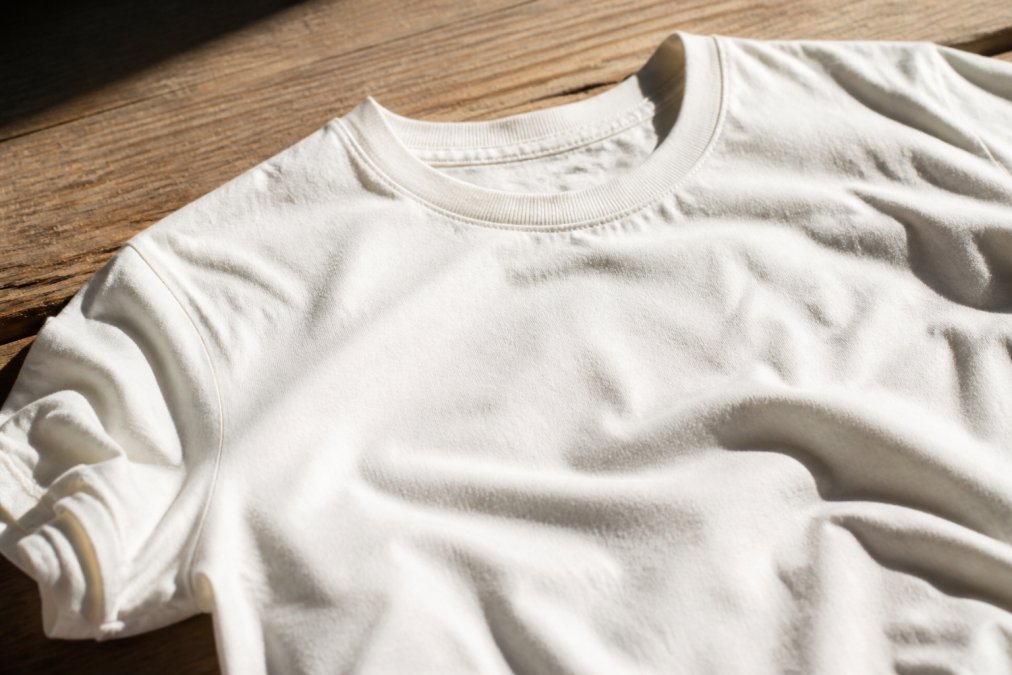
Standard carded cotton leaves short fibers and impurities in the yarn. Ring-spun yarn removes most of those short fibers through an extended alignment and twisting process, which is why the finished fabric feels more refined. Ring-spun cotton is the preferred choice for premium apparel because it balances softness, durability, and breathability in a way that carded cotton cannot match.
How the Ring-Spinning Process Works
Textile manufacturing has used ring frames for over a century, and understanding the process explains why ring-spun fabric costs more and why that cost is justified.
From Raw Fiber to Finished Yarn
Raw cotton fiber arrives at a mill full of variation: fibers of different lengths, tangled with plant debris and broken strands. Carding combs the cotton into a loose, continuous web called a sliver. The sliver then passes through rollers that progressively thin it into a finer strand. That strand feeds onto a ring frame, where a rotating spindle twists it into yarn as it winds onto a bobbin. The continuous twisting locks fiber ends into the yarn structure rather than leaving them protruding from the surface.
Why Fiber Alignment Changes Everything
Fiber alignment is the core reason ring-spun cotton performs differently. When fibers are parallel and tightly twisted, the yarn has higher tensile strength and resists breaking under tension. That alignment also means fewer fiber ends protrude from the surface, which directly reduces pilling. According to Cotton Incorporated, the industry authority on cotton fiber research, yarn count and fiber length are two of the most important variables in finished fabric quality, and ring spinning optimizes both.
Ring-Spun Cotton vs. Regular Carded Cotton
Most people asking this question have held both fabrics and already sensed the difference. Here is what is actually happening at the fiber level.
| Property | Ring-Spun Cotton | Regular Carded Cotton |
|---|---|---|
| Fiber alignment | Parallel, tightly twisted | Random, loosely aligned |
| Surface texture | Smooth, minimal fiber ends | Rougher, more fiber ends |
| Softness | Noticeably softer | Coarser to the touch |
| Pilling resistance | High | Lower |
| Tensile strength | Higher | Lower |
| Fabric weight options | Wide range, finer yarn counts | Typically heavier gauges |
| Best for | Premium apparel, everyday wear | Workwear, industrial fabrics |
| Price point | Higher production cost | Lower production cost |
Regular carded cotton works fine for heavy-duty applications where softness is secondary. But for a t-shirt you plan to wear regularly and wash repeatedly, carded cotton loses ground quickly. The short fibers pill faster, the fabric feels coarser, and garment longevity is noticeably shorter. Ring-spun garments maintain their shape and surface smoothness through repeated wash cycles, while carded cotton develops a fuzzier texture and loses structure faster.
Combed Cotton vs Ring-Spun: Understanding the Difference
Combed cotton refers to an additional processing step that happens before spinning. After carding, the cotton sliver passes through a combing machine that removes even more short fibers and impurities, leaving only the longest, strongest strands. Ring-spun cotton refers to the spinning method used to create the yarn, not a pre-spinning step.
The key distinction: combed cotton describes what was done to the fiber before spinning. Ring-spun cotton describes how the yarn was made. These processes are not mutually exclusive. The highest-quality fabrics are often both combed and ring-spun, sometimes labeled "combed ring-spun cotton." Combing first removes the shortest fibers, then ring spinning aligns and twists the remaining long fibers into a particularly fine, strong yarn.
If you see "combed ring-spun" on a label, that is a genuine quality indicator. If you see only "ring-spun," the cotton was not combed first, but it is still meaningfully better than regular carded cotton.
Benefits of Ring-Spun Cotton for Everyday Wear
Ring-spun cotton performs better across every dimension that matters for a t-shirt worn regularly.
Softness, Breathability, and Comfort
Ring-spun cotton is softer because tightly aligned fibers create a smooth surface with minimal protruding fiber ends. That smoothness persists through washing because the fiber structure is inherently more stable. The tighter yarn construction allows air to move through the fabric efficiently, which matters during activity or warm weather. Cotton's natural moisture-wicking properties are also more effective in a tightly spun yarn because consistent fiber alignment helps move moisture away from skin more efficiently.
Durability, Pilling Resistance, and Garment Longevity
The durability of ring-spun cotton comes directly from its tensile strength. Tightly twisted, well-aligned fibers resist the mechanical stress of washing and wearing far better than loosely spun carded cotton. Because fiber ends are locked into the yarn structure rather than protruding, they have far fewer opportunities to tangle and form pills on the fabric surface.
A ring-spun cotton t-shirt that is cared for properly can maintain its shape, softness, and print quality for years.
Environmental Impact and Sustainability
Conventional cotton farming is water-intensive and historically has relied on significant pesticide use. Ring-spinning itself does not change the upstream agricultural picture. However, because ring-spun cotton produces a stronger, longer-lasting garment, the per-wear environmental cost is lower than a cheaper carded cotton shirt that wears out quickly and ends up in a landfill. Garment longevity is a genuine sustainability metric, and ring-spun cotton wins it clearly.
The Environmental Protection Agency's guidance on textile waste identifies clothing and textiles as a significant contributor to municipal solid waste. Buying fewer, better garments is one of the most practical ways to reduce that contribution.
Organic ring-spun cotton takes the sustainability picture further by eliminating synthetic pesticides and fertilizers from fiber production. If sustainability is a priority, look for garments that specify organic cotton alongside the ring-spun designation.
How to Care for Cotton T-Shirts to Make Them Last
Buying a quality ring-spun cotton t-shirt is only half the equation. How you wash, dry, and store it determines whether it looks great in two years or becomes shapeless after six months.
Washing and Drying Tips to Prevent Shrinkage
Cotton shrinks when exposed to heat, particularly in the first few washes. Follow these guidelines to keep your ring-spun tees in best condition:
- Wash in cold water (30°C / 86°F or below) to minimize fiber contraction and color fading
- Turn shirts inside out before washing to protect printed designs
- Use a gentle or delicate cycle to reduce mechanical stress on the yarn
- Avoid fabric softeners, which coat fibers and reduce breathability
- Wash with like colors to prevent dye transfer
High heat in a tumble dryer causes cotton fibers to contract rapidly and unevenly. Air dry flat or hang dry to preserve shape. If you use a dryer, choose the lowest heat setting and remove the shirt while slightly damp. According to The Textile Exchange's fiber and materials report, proper care practices can significantly extend the functional life of cotton garments.
Storage and Long-Term Maintenance
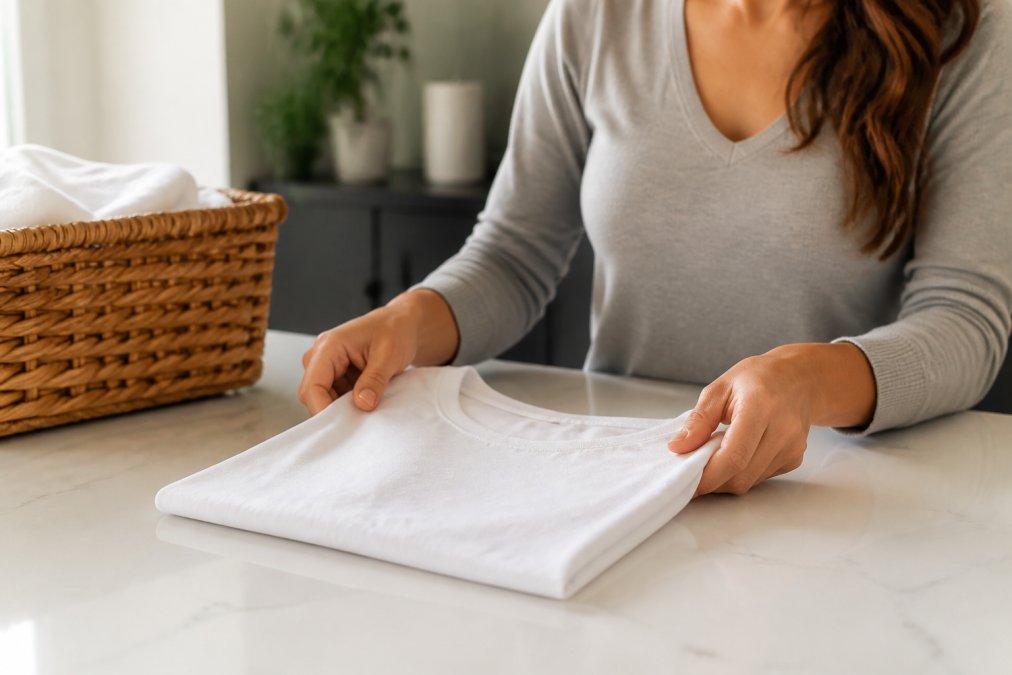
Folding and stacking is generally better for ring-spun cotton than hanging, because hanging stretches shoulder seams over time. Store folded shirts in a cool, dry environment away from direct sunlight, which degrades fibers and fades colors.
Avoid plastic bags for long-term storage, which trap moisture and can cause mildew. A clean cotton storage bag or drawer with good airflow is ideal. Treat stains promptly with a gentle stain remover and cold water before washing.
Cost-Benefit Breakdown for Bulk and Wholesale Buyers
Ring-spun cotton blanks cost more per unit than carded cotton alternatives due to the extended spinning process and higher-quality raw fiber. The question is whether the premium is justified.
The case for ring-spun at scale comes down to three factors:
- Customer satisfaction and returns. Softer, more durable garments generate fewer complaints and more repeat buyers, offsetting the higher unit cost.
- Print quality and longevity. Ring-spun cotton's smoother surface holds printed designs more crisply than carded cotton, which matters when your design is the product.
- Brand perception. A garment that feels premium communicates quality before the customer looks at the print, providing a genuine differentiator against cheaper alternatives.
For buyers comparing options, ask about fabric specification: yarn count, whether the cotton is combed, and fabric weight in grams per square meter. These numbers tell you more about what you are buying than marketing descriptions.
MyRadTee's tees are built on high-quality, soft materials, and that commitment starts with fabric specification. For pricing on bulk or wholesale orders, visit the MyRadTee website for current details, since pricing depends on quantity, design specifications, and fulfillment options.
Ring-spun cotton costs more upfront and pays back in customer retention, print quality, and brand reputation. For anyone selling or gifting apparel where quality matters, it is the right starting point.
Frequently Asked Questions
Is ring-spun cotton the same as 100% cotton?
Not exactly. "100% cotton" tells you the fiber content but says nothing about how the yarn was made. Ring-spun cotton is 100% cotton that has been processed through a ring-spinning frame to align fibers, remove short strands and impurities, and twist the yarn tighter. The result is a finer, stronger thread with noticeably better softness and durability compared to standard carded cotton made from the same raw fiber.
Does ring-spun cotton shrink after washing?
All 100% cotton shrinks to some degree, and ring-spun cotton is no exception. Most shrinkage happens during the first one or two washes. Washing in cold water and tumble drying on low heat keeps shrinkage minimal. Many quality garments are pre-shrunk during manufacturing, which reduces the issue further. Checking the care label before the first wash is the easiest way to protect your tee's fit from the start.
Why is ring-spun cotton softer than regular carded cotton?
The ring-spinning process continuously thins and twists cotton strands, which aligns the fibers in the same direction and removes short, rough fiber ends. Carded cotton skips this alignment step, leaving stray fibers that create a slightly rougher surface. Because ring-spun yarn has fewer exposed fiber ends and tighter fiber alignment, the finished fabric feels noticeably smoother against skin, which is why it is the standard choice for premium apparel.
Is ring-spun cotton good for everyday wear and outdoor activities?
Yes. The tighter yarn construction gives ring-spun cotton higher tensile strength than regular carded cotton, meaning it holds up to repeated washing and daily friction without thinning or pilling as quickly. It also breathes well and offers light moisture-wicking properties, making it comfortable for walks, errands, and casual outdoor activities. For dog owners who want a tee that stays soft and keeps its shape after many washes, ring-spun fabric is a practical choice.
Choosing the right cotton fabric is the foundation of a t-shirt that people actually love wearing. Ring-spun cotton delivers on softness, durability, and print quality in ways that cheaper carded alternatives simply cannot. MyRadTee's pet-inspired tees are designed with that quality standard in mind, using comfortable, soft materials suited for everyday adventures with your dog. Shop the MyRadTee collection and find a tee that holds up as well as it looks.
This article was written using GrandRanker