
What Makes a Dog Shirt Comfortable: A Complete Guide
Table of Contents
- What Makes a Dog Shirt Comfortable: The Essentials
- Best Fabric for Dog Clothes and Why It Matters
- How to Measure a Dog for Clothes That Fit Right
- Proper Fit and Sizing for Unrestricted Movement
- Signs a Dog Is Uncomfortable in a Shirt
- Training Your Dog to Accept and Enjoy Wearing Shirts
- Seam Placement, Chafing Prevention, and Durability
- Conclusion
- Frequently Asked Questions
Last Updated: August 31, 2026
What Makes a Dog Shirt Comfortable: The Essentials
A dog shirt that's truly comfortable combines three critical elements: fabric quality, proper fit, and thoughtful design. At MyRadTee, we understand that comfort goes beyond aesthetics, it's about how the garment moves with your dog's body, breathes against their skin, and allows them to play, walk, and rest without restriction or irritation.
A well-made dog shirt should feel like a second skin, not a constraint. It should accommodate your dog's natural range of motion, prevent chafing at pressure points, and adapt to temperature changes without trapping heat or moisture. You can assess comfort by examining fabric composition, checking seam placement, evaluating fit against your dog's measurements, and observing how your dog responds when wearing it.
Best Fabric for Dog Clothes and Why It Matters
The fabric you choose directly impacts how comfortable your dog feels wearing a shirt. Ring-spun cotton stands out as the gold standard for comfortable dog apparel. This premium cotton is softer, more durable, and gentler on sensitive skin than standard cotton. MyRadTee uses 100% ring-spun cotton in many designs specifically because it delivers the comfort and durability that active dogs need.
Breathable fabric is essential because dogs regulate body temperature differently than humans do. They rely heavily on panting and their paw pads to cool down (peer-reviewed research). A shirt made from non-breathable synthetic materials can trap heat against your dog's body, leading to overheating during activity or warm weather. Breathable fabrics allow air circulation, keeping your dog cooler and more comfortable.
Moisture-wicking properties prevent the damp, clammy feeling that makes dogs uncomfortable and can lead to skin irritation. When your dog sweats through their paws, a moisture-wicking fabric pulls that moisture away from the skin to the outer surface where it can evaporate (peer-reviewed research).
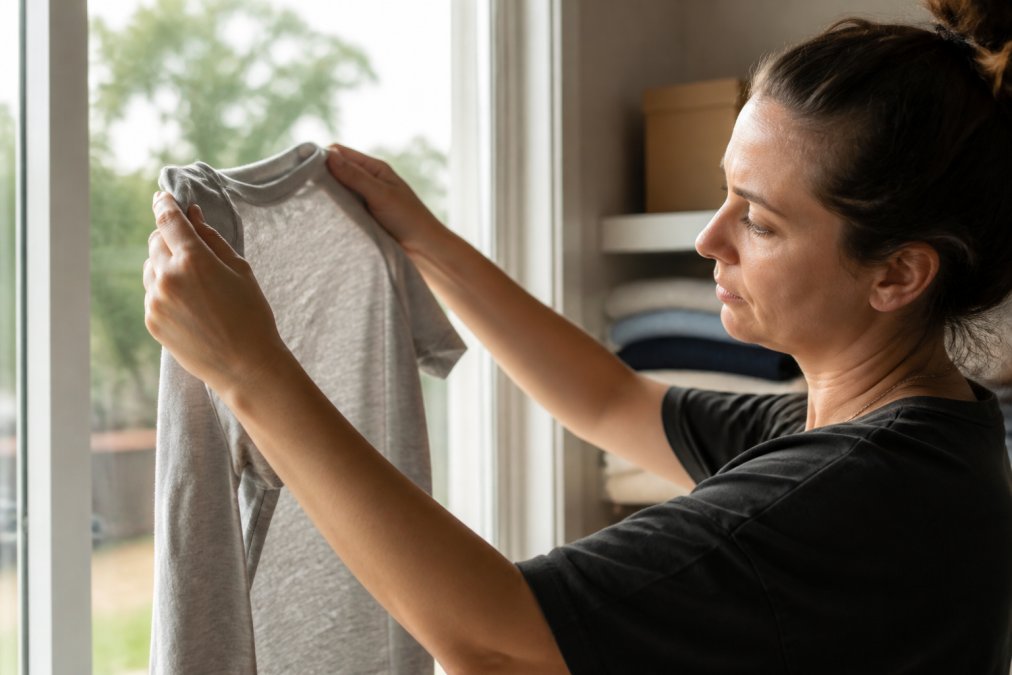
Avoid synthetic blends that are primarily polyester unless specifically designed for moisture-wicking performance. Check the fabric composition on product pages, MyRadTee provides detailed fabric breakdowns so you know exactly what your dog will be wearing. If your dog has sensitive skin or known allergies, prioritize 100% cotton options and avoid heavy dyes or chemical finishes.

How to Measure a Dog for Clothes That Fit Right
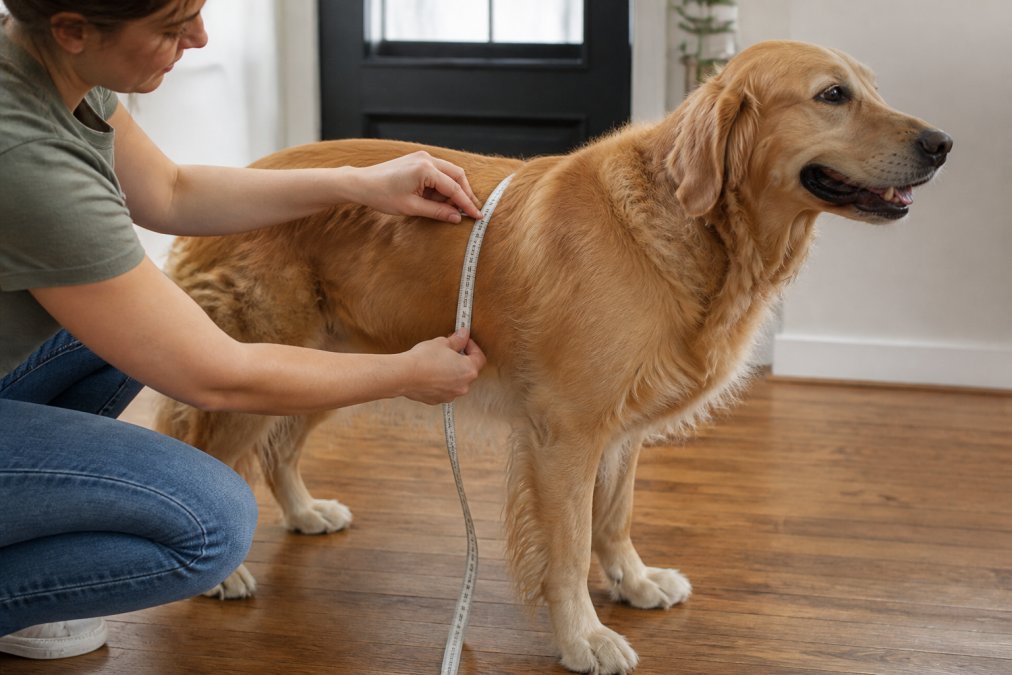
Proper measurement is the foundation of comfort. Start with your dog in a standing position, relaxed and calm, using a soft measuring tape.
Chest measurement is the most critical dimension. Measure around the widest part of your dog's chest, just behind the front legs. The tape should sit snug but not tight, you should be able to fit one finger comfortably between the tape and your dog's body.
Length measurement runs from the base of your dog's neck to the base of their tail. This ensures the shirt covers the back without extending so far that it bunches between the hind legs or restricts tail movement.
Neck opening should be measured around the widest part of your dog's neck, just below the ears. The opening needs to be large enough that your dog can slip their head through without struggling, but not so large that the shirt slips around.
Compare your measurements against the size chart provided on the product page. MyRadTee includes detailed size charts for every shirt style because sizing inconsistencies are one of the biggest frustrations dog owners face. If your dog falls between sizes, choose the larger size, a slightly loose fit is always better than one that's too snug.
Proper Fit and Sizing for Unrestricted Movement
A properly fitted dog shirt should feel invisible to your dog. They should be able to walk, run, sit, lie down, and play without any sense of restriction or discomfort.
The shirt should sit close to your dog's body without being tight. Snug means the shirt follows your dog's contours without gaps or bunching. Restrictive means it limits movement or puts pressure on joints and muscles. Watch your dog's movement, they should walk with their normal gait, not with shortened steps or unusual posture.
Front leg movement is especially important. Many poorly designed dog shirts restrict the shoulder and armpit area, forcing your dog to compensate by moving differently. A comfortable shirt allows your dog's shoulders to roll naturally during movement.
The belly area needs adequate coverage without excess fabric. The fit should allow your dog to take full breaths and move their abdomen freely during running and jumping. Neck and armpit areas are pressure points where chafing frequently occurs, the shirt should have enough room that the fabric doesn't dig into these sensitive areas.
Tail clearance matters more than many people think. The shirt should end well before the tail base so your dog's tail moves freely without the shirt restricting it.
Signs a Dog Is Uncomfortable in a Shirt
Your dog will communicate discomfort through behavior. Excessive scratching or biting at the shirt is the most obvious sign. Reluctance to move or unusual gait changes suggest the shirt is restricting movement. Panting excessively when the shirt is on indicates the fabric isn't breathable enough or the fit is too snug around the chest.
Attempting to remove the shirt by pulling at it or rolling on the ground shows your dog is actively trying to escape discomfort. Behavioral changes like hiding, reluctance to play, or unusual anxiety indicate genuine distress. Skin irritation appearing after wearing a shirt, redness, hair loss, or raw patches, points to either fabric sensitivity or chafing from seams and edges.
Training Your Dog to Accept and Enjoy Wearing Shirts
Most dogs don't naturally resist wearing clothes; they resist poorly fitting clothes or the unfamiliar sensation of something touching their skin.
Start with short wearing periods. Begin with 5-10 minutes while you're home and can supervise. Gradually increase the duration as your dog becomes accustomed to the sensation.
Use positive reinforcement consistently. Reward your dog with treats and praise immediately after putting the shirt on. Offer treats while the shirt is on so your dog associates wearing it with rewards. Never force the shirt on your dog or punish them for resistance.
Practice the putting-on process separately from wearing it. Let your dog see the shirt, sniff it, and get comfortable with it being near their body before expecting extended wear.
Choose the right time for training. Introduce the shirt when your dog is calm and relaxed, not when they're excited or anxious. A tired dog after a walk is often more receptive.
Normalize wearing the shirt through activity. Once your dog accepts wearing the shirt indoors, take them on a short walk wearing it. Movement and familiar activities help your dog forget they're wearing anything.
Address fabric sensitivity if it appears. If your dog shows signs of irritation despite proper fit, the issue may be the fabric itself. Switch to a different material, hypoallergenic or 100% cotton options often work better for sensitive dogs.
Seam Placement, Chafing Prevention, and Durability
Seams are common culprits in uncomfortable dog shirts. Flat seams are superior to traditional seams for dog apparel. Flat seams are created by folding fabric edges inward and stitching them down, creating a smooth interior surface (astm.org). Traditional seams have a ridge on the inside that can rub against your dog's skin during movement.
Seam placement matters strategically. Seams should avoid pressure points where movement creates constant friction. Quality dog apparel positions seams on the sides or back where there's less movement and friction.
Seam strength directly impacts durability. Double-stitched seams hold up better than single stitches, especially for active dogs. Even, consistent stitches indicate quality construction.
Edge finishing prevents fraying and irritation. Shirt edges should be finished with a binding or hem that prevents raw fabric from rubbing against your dog's skin.
Washing and care impact durability significantly. Wash your dog's shirt in cold water with gentle detergent and air dry to preserve fabric integrity and prevent shrinkage. High heat from dryers can damage fibers and cause shrinking, which changes the fit and creates pressure points. MyRadTee provides specific care instructions with every shirt to help you maintain proper fit and comfort through multiple washes.
Conclusion
A truly comfortable dog shirt combines breathable, high-quality fabric with precise fit and thoughtful design. Your dog will show you through their behavior and body language whether a shirt is genuinely comfortable or just tolerated.
MyRadTee's collection of dog-inspired apparel is designed with comfort as the foundation. Our shirts use premium ring-spun cotton that breathes naturally, feature flat seams that prevent chafing, and come with detailed size charts to ensure proper fit. Shop our This Is My Dog Walking T-Shirt or explore our full collection to find apparel that keeps both you and your dog comfortable on every adventure.


Frequently Asked Questions
What fabric is most comfortable for dogs?
Ring-spun cotton and cotton-blend materials work best for dog comfort. These fabrics are breathable, soft against sensitive skin, and allow proper thermoregulation. Look for moisture-wicking properties and hypoallergenic options to prevent irritation. Avoid heavy synthetics that trap heat or stiff materials that restrict movement. Quality matters, higher thread counts and softer yarns reduce chafing and pressure points.
How should a dog shirt fit to ensure comfort?
A comfortable dog shirt should fit snugly without restricting movement or causing pressure points. You should fit two fingers under the neckline and waistband. The shirt must allow full range of motion in the legs and shoulders, and seams should sit away from sensitive areas like armpits and inner thighs. Proper ergonomic design ensures the garment moves with your dog's body, not against it.
Are there signs that a dog is uncomfortable in clothing?
Watch for excessive scratching, pawing at the shirt, hunching, or reluctance to move. Signs of distress include panting excessively, whining, or trying to remove the garment. Some dogs may show behavioral changes like refusing to walk or becoming withdrawn. Skin irritation, redness, or hair loss around seams indicates the shirt doesn't fit properly. If your dog shows any discomfort signals, remove the shirt and reassess the fit or fabric.
Can a dog wear a shirt for long periods of time?
Most dogs can wear comfortable shirts for several hours during daily activities like walks and outings. However, extended wear, especially overnight, requires careful monitoring. Remove the shirt during rest periods to allow skin to breathe and prevent moisture buildup. Post-surgical or anxiety-relief shirts may have different wear guidelines. Always check for signs of irritation and ensure the shirt doesn't interfere with your dog's natural behaviors like lying down comfortably.