
How to Spot High Quality Fabric: 7 Tests That Work
Table of Contents
- Step 1: Check Weave Density and Thread Count
- Step 2: Evaluate Stitching Quality and Seam Strength
- Step 3: Assess Fabric Hand and Texture
- Step 4: Identify Fiber Composition and Material
- Step 5: Perform a Fabric Durability Test at Home
- Step 6: Recognize the Signs of Poor Quality Clothing
- Step 7: Know the Best Fabric Types for T-Shirts
- Conclusion
- Frequently Asked Questions
Last Updated: September 23, 2026
Step 1: Check Weave Density and Thread Count
Knowing how to spot high quality fabric starts with one simple move: hold it up to the light to see if it is high quality fabric. Dense, tightly woven cloth blocks most light, while thin fabric lets a glow shine through.
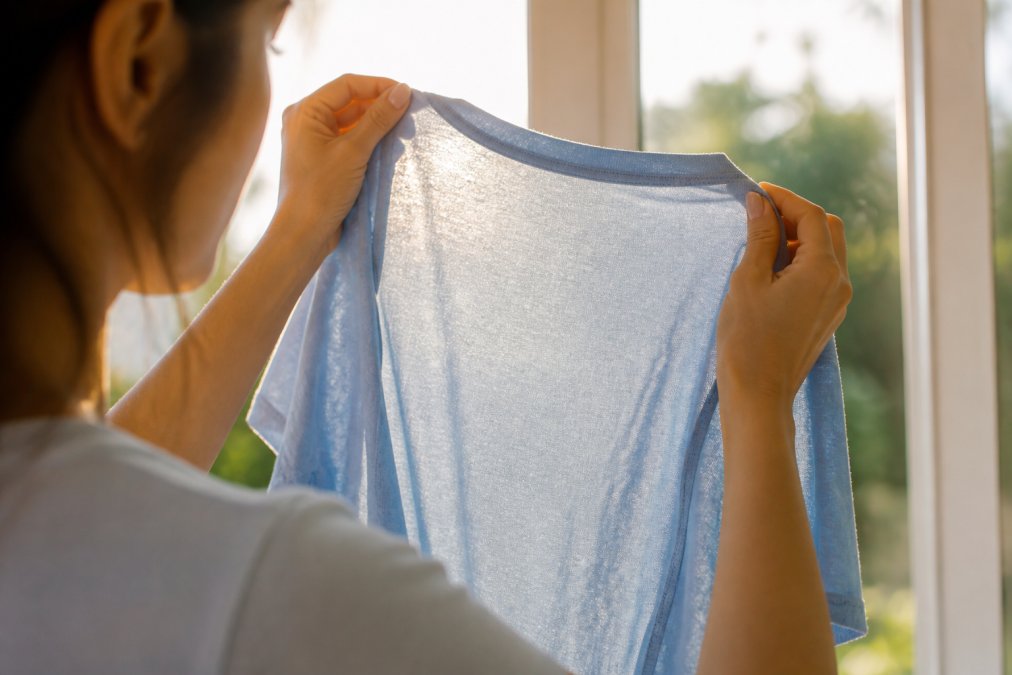
Weave density is the number of yarns packed into each square inch.
Here is what to look for:
- Hold the fabric against a lamp or window
- Look for even, tight yarns with no gaps
- Check that you cannot see your hand clearly through it
- Feel for a smooth, flat surface with no thin spots
The Light Test for Opacity
Opacity is how well a fabric blocks light and hides what is behind it. Thicker, denser weaves score higher.
Try this quick check in any store:
- Hold the fabric in front of a bright light source
- Note how much light passes through
- Compare two shirts side by side
- Pick the one that lets less light through
Step 2: Evaluate Stitching Quality and Seam Strength
Stitching is where cheap clothing gives itself away. Flip any garment inside out and study the seams before you buy.
Look for these details:
- Stitch density: more stitches per inch means stronger seams
- Seam allowance: the extra fabric edge should be neat, not fraying
- Uniformity: even stitches across the whole seam
- Thread thickness: thread should match the fabric weight
- Loose threads, skipped stitches, or wavy seams are red flags
Step 3: Assess Fabric Hand and Texture
Fabric hand is the way cloth feels against your skin. It is one of the fastest ways to judge quality.
Signs of a good hand:
- Soft, supple drape that moves with you
- No scratchy or plastic-like coating
- Even texture with no rough patches
- A weight that feels substantial but not heavy
Wrinkle Recovery and Drape
Wrinkle recovery is how well fabric springs back after being crumpled. Squeeze a corner in your fist for a few seconds, then release.
- Springs back flat: good recovery
- Stays creased: poor recovery
Step 4: Identify Fiber Composition and Material
The label tells you the fiber composition, and it matters more than any marketing claim. Check it every time, but treat the tag as a starting claim, not proof. The real skill is verifying it with your hands and eyes.
Read the Label Like a Spec Sheet
Fiber content is listed by percentage, in descending order by weight. That order is the tell:
- "100% cotton" means one fiber, no blending surprises.
- "60% cotton / 40% polyester" behaves very differently from "95% cotton / 5% spandex", the first resists wrinkles and holds shape, the second adds stretch but can sag at the neckline over time.
- "Cotton/polyester" with no percentages is a red flag. Manufacturers are allowed to use that phrasing when the blend is under a certain threshold, and it usually hides a cheap majority-synthetic mix.
The Burn Test (For Raw Edges and Swatches Only)
Textile students and home sewers use a burn test to tell natural from synthetic fiber. It works on a loose thread or a frayed edge, never on a finished garment you intend to keep.
- Cotton and linen burn like paper: fast, with a light gray ash that crumbles.
- Wool and silk burn slowly, smell like burnt hair, and leave a crushable black bead.
- Polyester and nylon melt and shrink away from the flame, forming a hard plastic bead.
Match Fiber to Function, Not Hype
| Fiber | Feel | Durability | Best For |
|---|---|---|---|
| Cotton | Soft, breathable | Good | Everyday tees |
| Linen | Crisp, cool | Good | Summer wear |
| Polyester | Smooth, slick | High | Activewear |
| Cotton blend | Soft with stretch | Varies | Casual shirts |
A 100% cotton tee with a tight weave will usually outlast a thin poly blend, though blends hold their shape better in the wash. The trade-off is real: natural fibers breathe and soften with age, synthetics resist wrinkles but trap heat and shed microfibers.
Use a Loupe to Confirm Fiber Integrity
A jeweler's loupe, the 10x folding kind, costs a few dollars and turns guesswork into inspection. Hold it against a single yarn pulled from a seam or hem:
- Long, parallel fibers with few loose ends signal combed or ring-spun yarn.
- Short, fuzzy fibers poking out everywhere signal carded, low-grade cotton that will pill.
- Uniform, glassy filaments signal synthetic extrusion.
Step 5: Perform a Fabric Durability Test at Home
A fabric durability test tells you how a garment will hold up over months of wear, not just how it feels on the rack. You can run a few simple checks before you commit, and a few more after the first wash, which is where cheap fabric actually reveals itself.
Pre-Purchase Checks
Try these at home or in the fitting room:
- Rub the fabric between your hands to check for surface wear
- Stretch it gently and watch it snap back, good fabric returns to shape within a second or two
- Scratch a hidden spot with your fingernail to test abrasion resistance
- Check the grainline (the direction of the weave) runs straight
- Look at the selvage on raw edges for a clean, tight finish
Fabric that pills, snags, or stretches out of shape after light handling will not survive real use.
Pilling and Abrasion Checks
Pilling is those little fuzz balls that form on the surface. It happens most in loose synthetic blends and low-twist yarns.
Watch for pilling in these spots:
- Under the arms
- Along the sides where arms brush
- On the lower back where it rubs against chairs
The Wash-Lifecycle Test: How Fabric Ages
Most guides stop at the store. The real test happens in your laundry. High-quality fabric changes predictably over 50+ washes, and cheap fabric changes in ways you can spot early.
Run this simple protocol on a new garment:
- Wash it once in cold water, normal cycle, with like colors.
- Dry it on low or hang it, high heat accelerates fiber breakdown in both natural and synthetic cloth.
- Inspect after wash one: check for shrinking at the hem, twisting at the side seam, and new pilling under the arms.
- Repeat to wash five: a quality cotton tee should hold its shape and length. A cheap one will start to twist and lose body.
- Check at wash twenty and beyond: good fabric softens and drapes better; poor fabric thins, pills, and develops holes at stress points.
What "Tensile Strength" Actually Means
Tensile strength is how much pulling force a fabric can take before it tears. You cannot measure it precisely at home, but you can approximate it: grip the fabric on both sides of a seam and pull firmly. Quality cloth resists and recovers. Weak cloth distorts, thins, or tears at the stitch line.
Step 6: Recognize the Signs of Poor Quality Clothing
Most shoppers miss the signs of poor quality clothing because they only look at the outside. The truth hides in the details.
Watch for these red flags:
- Thin, see-through fabric that fails the light test
- Uneven or skipped stitching
- Loose threads and fraying seams
- A stiff, coated feel from heavy sizing
- Crooked grainline or twisted side seams
- Weak tensile strength (the fabric tears easily)
- A label that lists vague fiber content
Step 7: Know the Best Fabric Types for T-Shirts
The best fabric types for t-shirts balance comfort, durability, and how the shirt holds up wash after wash.
Here is how the top options stack up:
- 100% cotton: soft, breathable, great for daily wear
- Cotton-poly blend: holds shape, resists wrinkles
- Tri-blend: softest feel, but can pill over time
- Ring-spun cotton: smoother and stronger than standard cotton
- Combed cotton: removes short fibers for a softer finish
Conclusion
Spotting quality fabric takes practice, but a few quick checks go a long way. Hold it to the light, inspect the seams, and read the label before you buy.
Frequently Asked Questions
What are the key indicators of high-quality fabric?
High-quality fabric shows tight, uniform weave density with no visible gaps when held to light. Check for consistent thread count, clean stitching with no loose threads, and a fabric hand that feels substantial but not stiff. Natural fibers like cotton should have a soft texture with minimal slubs. Also look for even color saturation and a selvage that doesn't fray easily. These signs together indicate better construction and longer wear.
How can you tell if a fabric will pill after washing?
Pilling happens when short fibers work loose and tangle into small balls. To predict it, rub the fabric briskly between your fingers for 10 seconds. If you see fuzz or loose fibers, it will likely pill. Fabrics with longer staple fibers, tighter yarn twist, and higher thread count resist pilling better. Synthetic blends like polyester-cotton mixes often pill more than 100% long-staple cotton. Check wash performance by laundering a small swatch first.
What is the 3-3-3 rule for clothing?
The 3-3-3 rule is a quick quality check: hold the fabric up to light and look for three things. First, check for three layers of opacity (you shouldn't see your hand through it). Second, inspect three key seams (shoulder, side, and hem) for tight, even stitching. Third, rub the fabric three times to test for pilling or loose fibers. If any test fails, the garment likely won't hold up after repeated washes.
How does fabric weight affect garment durability?
Fabric weight, measured in GSM (grams per square meter), directly impacts durability. T-shirts under 150 GSM feel thin and may wear out faster. Midweight fabrics (150-200 GSM) balance comfort and longevity for daily wear. Heavyweight options (200+ GSM) resist abrasion and hold shape better but can feel warmer. For dog owners who are active outdoors, a 180-200 GSM cotton tee offers good durability without overheating.